



Supply chains are becoming increasingly complex, global, and interconnected. Yet, many companies still struggle with one fundamental challenge: aligning different functions and stakeholders across the supply chain. Cross-functional alignment is not only a management buzzword—it is a critical factor that directly affects efficiency, costs, and resilience. When departments and stakeholders are not aligned, hidden costs emerge, eroding profitability and competitiveness.
These hidden costs often stem from information silos that restrict knowledge sharing and hinder collaboration, as well as task overlap that leads to duplicated efforts and operational inefficiencies. Financial impacts can include lost revenue as a direct result of misalignment between business and technical teams. This article explores these hidden costs, why they happen, and how companies can avoid them by creating stronger cross-functional alignment—with digital solutions like Logward playing a key role.
The Hidden Costs of Misalignment
The most dangerous thing about poor alignment is that its costs often remain invisible until they accumulate into major inefficiencies. For many organizations, these inefficiencies become clear only after they have already affected service levels or profitability.
Hidden costs show up in several areas:
- Operational inefficiencies: Without shared visibility, teams duplicate tasks, mismanage schedules, or fail to anticipate disruptions. A missed update on a shipment may lead to production delays, unnecessary overtime, or idle resources further down the line. Lack of visibility among internal teams can hinder alignment on objectives and slow down problem resolution.
- Financial impacts: Emergency shipments, higher safety stocks, and wasted resources directly eat into margins. Poorly aligned forecasts between sales and logistics often result in excess inventory or costly stockouts.
- Strategic risks: Misalignment prevents organizations from reacting quickly to market changes. Delayed product launches or missed delivery windows can weaken competitiveness and reduce customer trust.
- Human factor: Employees working in silos often face frustration and unclear responsibilities. Over time, this reduces engagement, increases turnover, and erodes collaboration.
- Different KPIs: Individual departments may not recognize their interdependencies, leading to conflicting priorities and a lack of shared goals.
Each of these costs may seem minor in isolation, but together they significantly undermine supply chain performance. Helping teams understand the value of cross-functional alignment is essential for overcoming these challenges.
Why Misalignment Happens
To address these issues, companies must first understand why misalignment occurs. Several root causes are particularly common:
- Different KPIs: Procurement focuses on cost savings, logistics on delivery performance, and sales on revenue growth. Without shared goals, these priorities collide.
- Communication breakdowns: Information often remains stuck in silos or is shared too late, preventing effective coordination.
- Technology fragmentation: Disconnected systems create incomplete or inconsistent data, making alignment nearly impossible.
- Cultural barriers: Established routines, resistance to change, and lack of trust reinforce silo mentalities, even when better processes or tools exist.
Improved alignment not only streamlines internal processes but also enhances the customer experience by reducing delays, misunderstandings, and frustration throughout the customer journey.
The Benefits of Cross-Functional Alignment for Cross-Functional Teams
The advantages of alignment extend far beyond cost savings. When organizations create strong cross-functional collaboration, they unlock:
- Transparency: All stakeholders share the same information, reducing surprises and unnecessary blame.
- Agility: Common goals and open communication enable faster responses to disruptions and market shifts.
- Efficiency: Reduced redundancies and better planning lower costs while improving service.
- Resilience: A coordinated supply chain adapts more easily to crises and recovers faster.
Building Alignment: Strategic Approaches
Creating alignment within an organization requires a balance of cultural and technological strategies. At the core, it starts with uniting teams around common objectives that drive growth and improve performance across departments. Defining shared KPIs and setting clear goals ensures that procurement, logistics, and sales work toward the same outcomes, with accountability assigned to alignment initiatives. On the technological side, implementing integrated digital platforms establishes a single source of truth for supply chain data, enabling more informed and consistent decision-making.
Culturally, alignment thrives when collaboration and trust are encouraged through open communication, cross-functional teamwork, and a shared vision. Leadership commitment is equally critical—executives and people leaders must actively promote and support alignment efforts, fostering trust and engagement across teams. Change management also plays a vital role, helping employees understand, adopt, and trust new processes as the organization evolves.
When these strategies come together, companies can create an environment where alignment is not the exception but the norm—laying the foundation for sustainable growth, efficiency, and stronger team cohesion.
How Logward Helps to Enable Alignment
Logward is designed to address misalignment at its roots. By connecting stakeholders, harmonizing data, and streamlining processes, Logward provides companies with the foundation for cross-functional alignment and helps bring teams together for more effective cross team collaboration.
With Logward, organizations will:
- Gain end-to-end visibility into shipments, costs, and performance.
- Replace fragmented data with a unified source of truth.
- Manage disruptions proactively using real-time updates.
- Foster collaboration between procurement, logistics, and sales.
To illustrate how this works in practice, let’s look at a specific area where misalignment often causes friction — and how Logward helps to close these gaps.
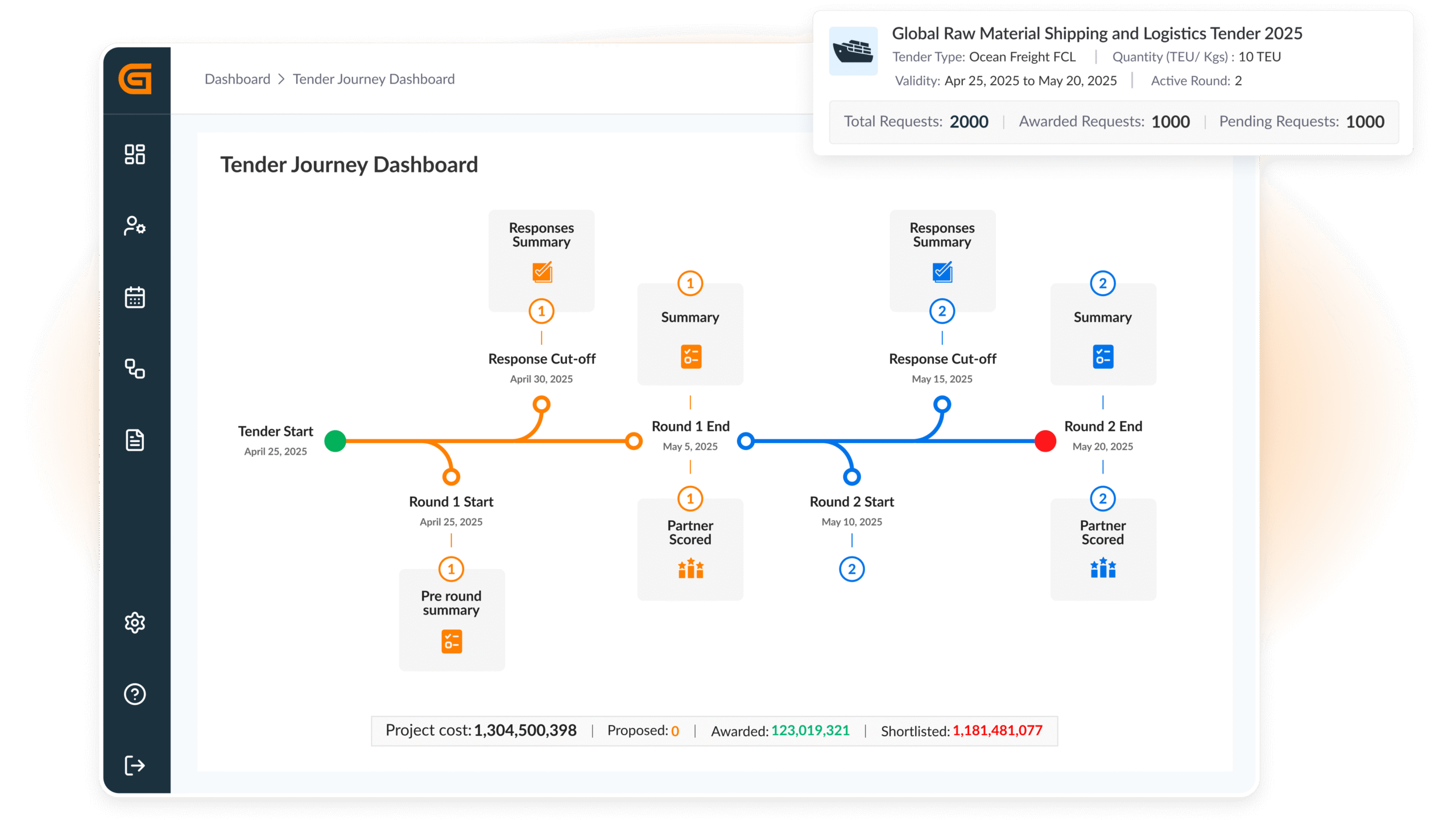
Case in Point: Freight Rates: Bridging the Gaps Between Procurement, Operations, and Finance
Freight rates are typically negotiated annually through procurement tenders. The resulting rate sheets often span thousands of lines and remain highly variable due to additional charges such as tolls or diesel floaters.
For operations teams, this creates significant challenges. Bookings are made based on available capacity, yet they often lack full visibility into the negotiated agreements. In practice, there is neither the time nor the capacity to evaluate extensive rate sheets to determine the most cost-effective provider or alternative option. Instead, operations are frequently measured against different KPIs—such as on-time delivery—which further influences decision-making.
The complexity continues in invoice verification. Here, finance teams must assess whether submitted invoices accurately reflect both the contractual agreements and the services delivered. This process is highly manual and prone to errors, as information remains fragmented and often incomplete. The outcome: increased process costs and the risk of paying inflated invoices.
How Logward Helps Close These Gaps
Logward addresses these inefficiencies by creating transparency and automation across the process:
- Unified data foundation: All relevant information is consolidated in one platform, eliminating fragmentation and blind spots.
- Automated invoice verification: Errors are reduced, disputes with service providers minimized, and margins improved.
- Full cost control: Reliable, consistent data empowers secure and well-informed decision-making.
Conclusion
Cross-functional alignment is no longer optional in modern supply chains. A clear roadmap and a strong north star are essential to guide alignment and keep teams focused on strategic objectives. The hidden costs of misalignment—whether operational, financial, strategic, or human—are too significant to ignore. Working towards a shared goal and common goal across teams ensures everyone is moving in the same direction. Maintaining team alignment helps ensure teams are working towards the same goals, clarifying roles and dependencies. This alignment directly improves the management of projects and tasks, leading to more efficient execution and better outcomes.
Logward supports organizations on this journey by providing the digital infrastructure necessary for alignment. If you want to reduce hidden costs and build a more resilient supply chain, it’s time to explore how Logward can help drive cross-functional collaboration in your organization.